
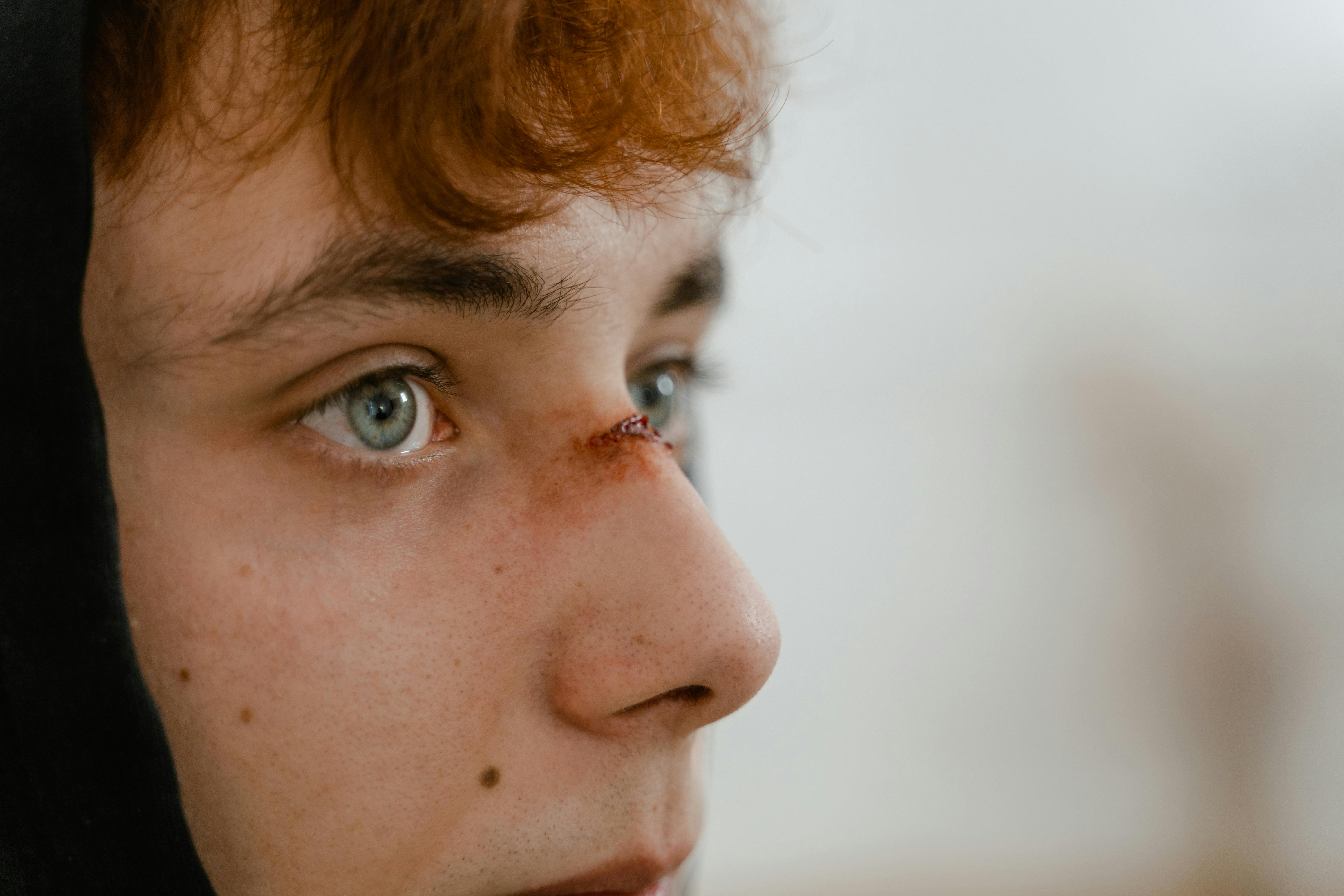
The key to successful laser treatment of zygomatic plaques
The characteristic of malar spots is that there are clusters of rice-sized gray-blue spots on the cheekbones. They will gradually expand from a few spots to dozens of spots, and the color will become darker under the sun. The beauty industry calls them “hemochromic spots”. They are a type of facial spot unique to Orientals. They occur around the age of 25. Because it happens to be the age when women give birth, they are often attributed to the sequelae of pregnancy and childbirth. It is just a coincidence of timing.
The pigmentation of malar spots is darker, and they are located in a prominent position on the cheeks. Even if women who are concerned about spots use concealer or thick powder, it is difficult to completely cover them. In particular, a thick layer of powder will block the breathing of the skin and cause long-term damage to the skin. In fact, according to the current laser technology, the treatment of malar spots only needs three to five lightening courses, about half a year, to achieve quite satisfactory improvement results.
Ruby laser is the best choice for treatment.
Zygomatic lentigines are pigments located in the dermis. Some whitening drugs, skin peels, and introductions are useless. Laser treatment is the most effective method. The current pigment lasers include ruby-jacques, Alexander, and ruby lasers. Among them, the ruby laser has the best absorption of melanin due to its deep treatment depth, and is currently the first choice for zygomatic lentigines. However, because zygomatic lentigines require strong energy irradiation, patients often experience pigment loss or even scar reactions after treatment. It is currently recommended that the energy of ruby lasers should be between six and ten joules, and the depth of epidermal thermal burns should be less than 0.35 mm.
Laser treatment for malar spots is not as effective as removing freckles and sun spots. You cannot expect a single treatment to restore your fair complexion. Taking ruby laser treatment as an example, the course of treatment requires three to five sessions, with an interval of about two to three months between each treatment. Years of care are required before the treatment is completed. If you do not communicate clearly with the doctor beforehand, medical disputes will often arise due to inaccurate diagnosis or failure to inform the doctor in advance of the possibility of darkening. Therefore, although the laser equipment and the doctor’s skills are important, a good doctor-patient relationship is often the key to whether laser treatment can be sustained and successful.


